Drain Cleaning & Unclogging
Open clogged kitchen, bath, laundry and main drains, then find out why the stoppage came back.
An overflowing bowl, a puddle at the base or a tank that never stops refilling. Most toilet problems are small, but a flood on a bathroom floor is not. A bowl that is climbing toward the rim, or water creeping out from the base, needs the supply valve closed and a quick call.
Turn off the wall valve behind the bowl, hold the float up if the water keeps rising, then call.
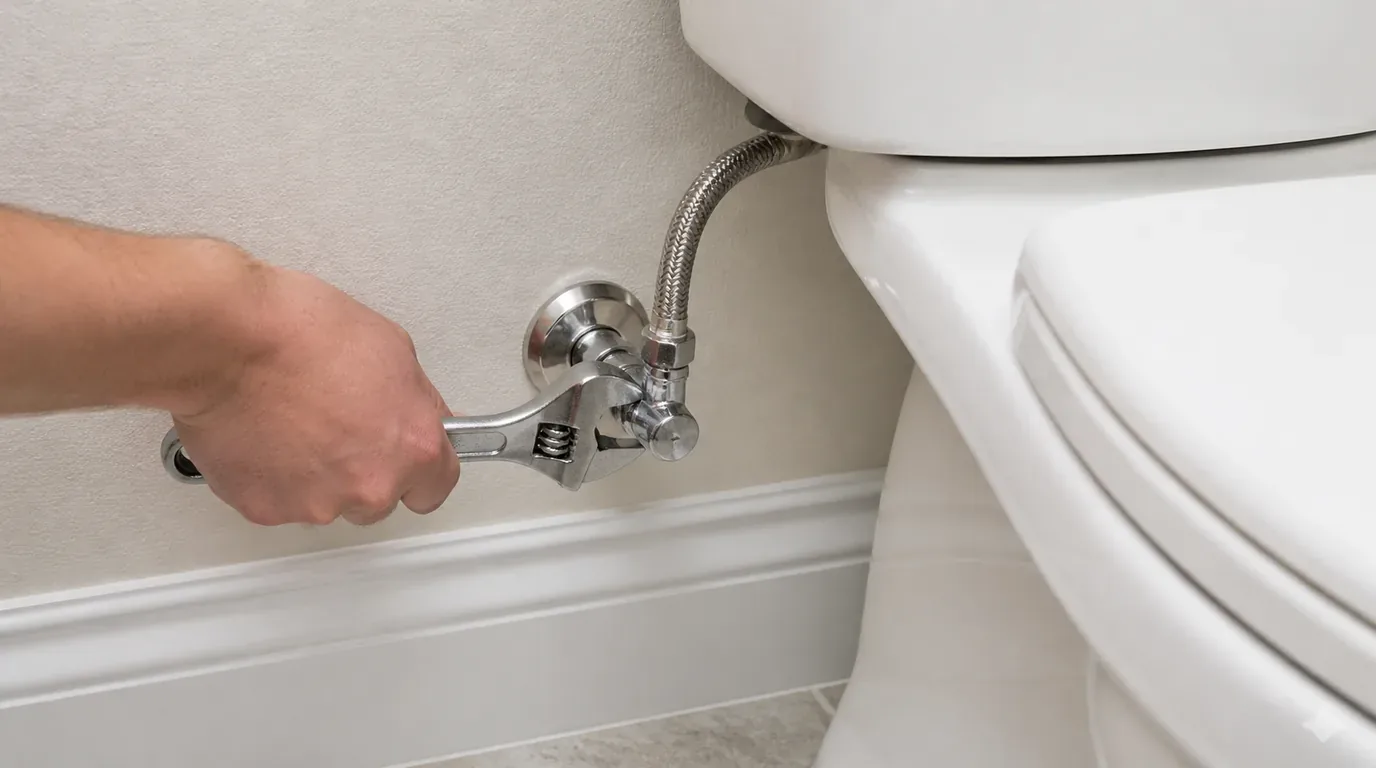
Take the lid off the tank and push the flapper down, or lift the float to stop the refill. Then close the supply valve on the wall behind the toilet by turning it clockwise. This keeps more water from reaching the bowl.
Do not keep flushing. Each flush adds water to a bowl that cannot drain, and a second overflow ruins the floor below.
The most common cause of a running toilet is a flapper that no longer seals. Hard water leaves scale on the seat and the rubber hardens with age. A new flapper is a short job.
A fill valve that does not shut off, or a float set too high, sends water down the overflow tube. The city recommends a dye test, since a silent leak can waste a surprising amount of water.
A flapper is a small job and a flange repair is not. Look at these items.
Ask what is included in a replacement, such as the old toilet haul-away and the supply line.
Many local homes have a basement bathroom below the level of the sewer. Those toilets often drain to an ejector pit with a pump. If the pump fails, the toilet will not clear no matter what you do at the bowl.
If a basement toilet backs up, check the pump's power and alarm first. A plumber can service or replace the pump.
A plunger with a flange seal clears most clogs. A closet auger reaches the trap if the plunger fails. If more than one toilet or drain misbehaves, the blockage is lower in the line.
A toilet that flushes slowly with a clear drain may have mineral deposits in the rim jets and siphon hole. Cleaning those restores the flush.
A cracked bowl or tank, a base that rocks even after a new wax ring and a toilet that clogs constantly are signs it is time. Newer models use less water per flush and flush more strongly than old ones.
Install includes a new wax ring or seal, new supply line and shutoff if needed and a check that the flange sits flush with the finished floor.
These are safe and take a few minutes.
Open clogged kitchen, bath, laundry and main drains, then find out why the stoppage came back.
Mount a bidet seat or a separate bidet after the supply valve and power outlet are planned.
Mend a cracked, root-choked or bellied lateral, either as a spot fix or a longer section.
Usually a worn flapper or a fill valve that does not shut off. Scale from hard water speeds up wear.
Yes. A leaking wax ring lets water onto the subfloor, which can rot over time. Turn off the supply and have it reset.
If other drains gurgle or back up at the same time, the blockage is likely in the main line.
Usually. Parts like flappers, fill valves and wax rings are inexpensive. Replace the toilet only if the porcelain is cracked or the flush is poor.
Phone the all-hours number. While you wait, turn the wall valve behind the bowl, hold the float up inside the tank if water keeps climbing, and describe to the dispatcher what you are seeing.
Close the supply valve behind it and call. Say what it is doing and the dispatcher will line up a local contractor.
Service area centered on Westminster and the nearby Denver north-metro cities.