Toilet Repair & Installation
Stop a toilet from running, rocking or clogging, or set a new one.
A bidet seat replaces the toilet seat and connects to the water supply behind the toilet. It is a small project, but the valve, the outlet and the fit decide how well it works.
Call and say which bidet or seat you have chosen, and a contractor can plan the connection.
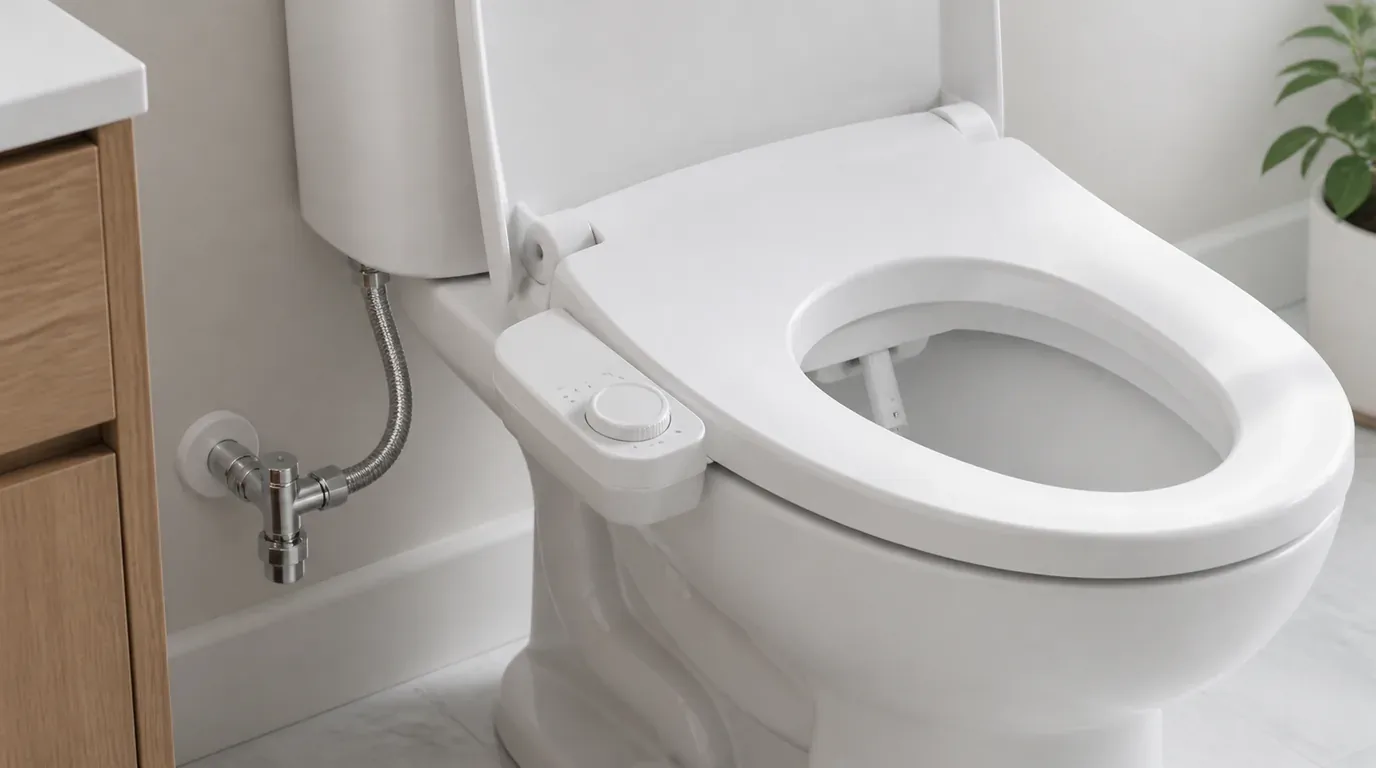
Non-electric seats attach to the toilet and use cold water pressure, with a simple dial. Electric seats add a heated seat, warm water and a dryer. Stand-alone bidets sit beside the toilet and need their own supply and drain.
A stand-alone unit is a plumbing job, with hot and cold lines and a drain. A seat is a connection to the toilet supply.
A tee fitting and a braided supply line connect the seat. A shutoff valve for the seat is a convenience, so the water can be turned off without closing the toilet.
The seat needs a vacuum breaker or backflow protection to keep toilet water from entering the drinking supply. Quality units include it, and the plumber checks.
A seat is a short visit. A stand-alone bidet is a larger job.
Ask whether the quote includes a new shutoff and supply line.
Incoming water in winter is cold enough to be uncomfortable on a seat without a heater. A seat with a warm-water tank or an inline heater makes it pleasant.
If the toilet is on an exterior wall, insulate the supply line in an unheated bathroom so a cold snap does not freeze the new connection.
Electric seats need an outlet within reach of the cord. A GFCI outlet is the safe choice in a bathroom. If none is close, an electrician adds one. Do not run an extension cord across a wet floor.
Check the toilet shape. Round and elongated bowls need different seats, and some low-tank models do not leave room for the hardware.
Test the connection under pressure and look for drips at the tee and the line. Check the water temperature and the nozzle position.
Keep the manual and the model number. Replacement nozzles and filters are sold by model.
Have the bidet and its box on site. Check that the parts are included, such as the tee, the hose and the mounting plate.
Clear the area behind the toilet and make sure the toilet is stable. A rocking toilet should be reset first.
A bidet seat needs a water supply tee at the toilet and, for heated models, an electrical outlet within reach of the cord. If the outlet is missing, an electrician must add one, and that can affect the schedule and the cost.
The installer also checks the toilet shape, because round and elongated bowls need different seats. Share the toilet's make and model when you call so the right mounting plate arrives with the crew.
Stop a toilet from running, rocking or clogging, or set a new one.
Swap out a shower, tub or mixing valve and set the drain at the right height.
Cure dripping taps, weak streams, seized shutoff valves and leaking hose bibs.
Most standard toilets can. Check the bowl shape, the bolt spacing and the space behind the tank.
Only if you want an electric seat and have no outlet nearby. A GFCI outlet within reach is the safe choice.
Basic models use cold only. Electric models heat the water as it flows or in a small tank.
A seat is usually under an hour. A stand-alone bidet takes longer because of the extra plumbing.
Phone any time. Turn the little valve on the seat's tee, or the toilet stop, and then call. New installs are booked for daytime.
Call, say which model you have, and a contractor can plan the connection.
Service area centered on Westminster and the nearby Denver north-metro cities.